Understanding behaviour and building more helpful ways to cope.
Behaviour is communication. A child may cry, refuse, withdraw, become aggressive or struggle with routines because they do not yet have another way to express a need, manage discomfort or respond to a situation. Behavioural Therapy helps us understand the pattern and teach practical skills that support safer, more successful participation.
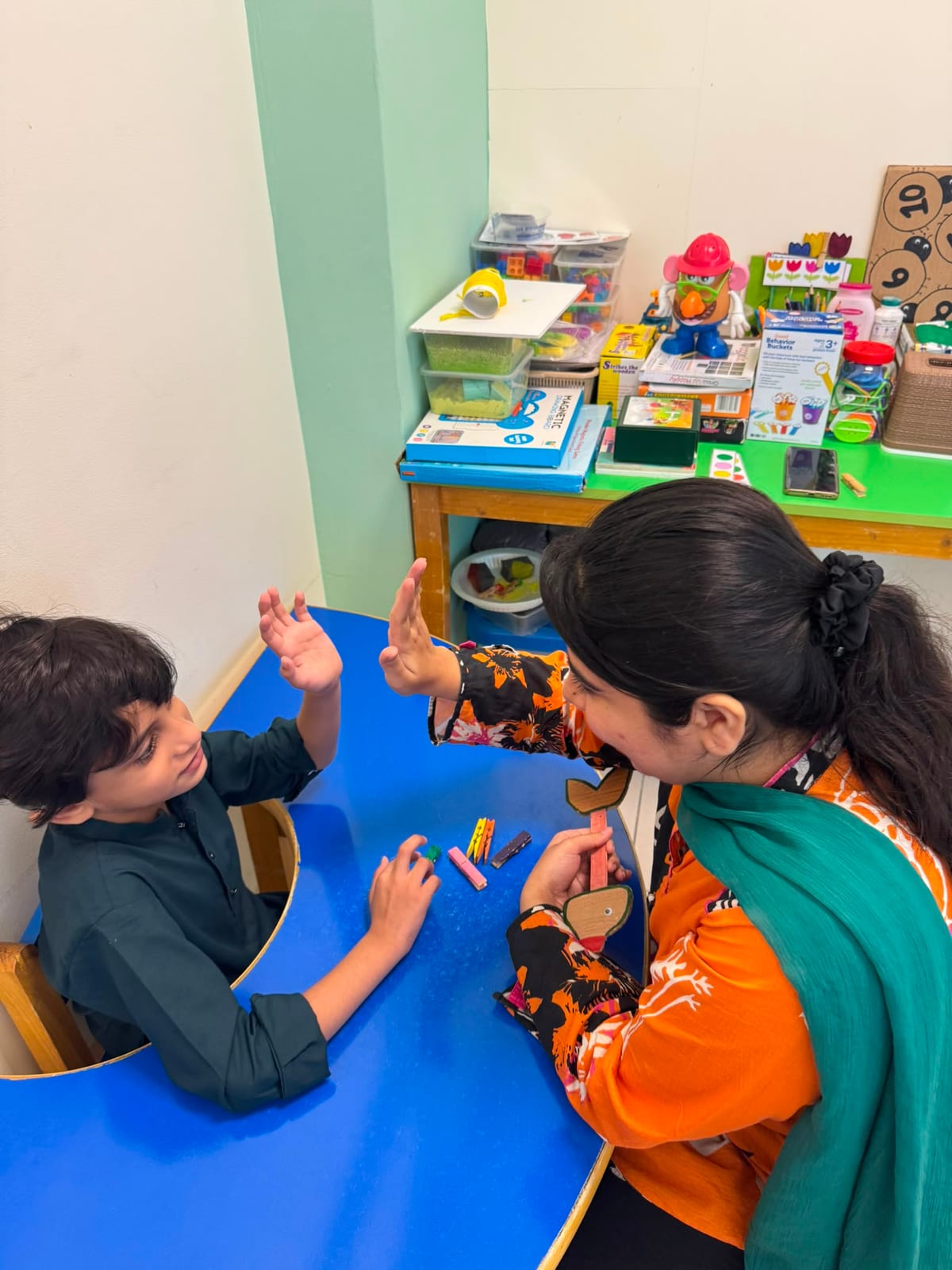
This service may help when a child is
experiencing:
- -Frequent tantrums, crying or emotional outbursts
- -Refusal, stubborn behaviour or difficulty following routines
- -Aggression, hitting, pushing or unsafe behaviour
- -Difficulty with transitions, waiting or accepting change
- -Challenges communicating needs appropriately
- -Difficulty managing frustration or strong emotions
- -Social, play or independence concerns
- -Behaviour affecting home, school or community participation
Areas we may work on
- -Functional communication
- -Emotional regulation and coping skills
- -Daily routines and transitions
- -Following instructions and task participation
- -Social interaction and play
- -Independence and self-management
- -Positive replacement skills for behaviours that create barriers
How support is planned
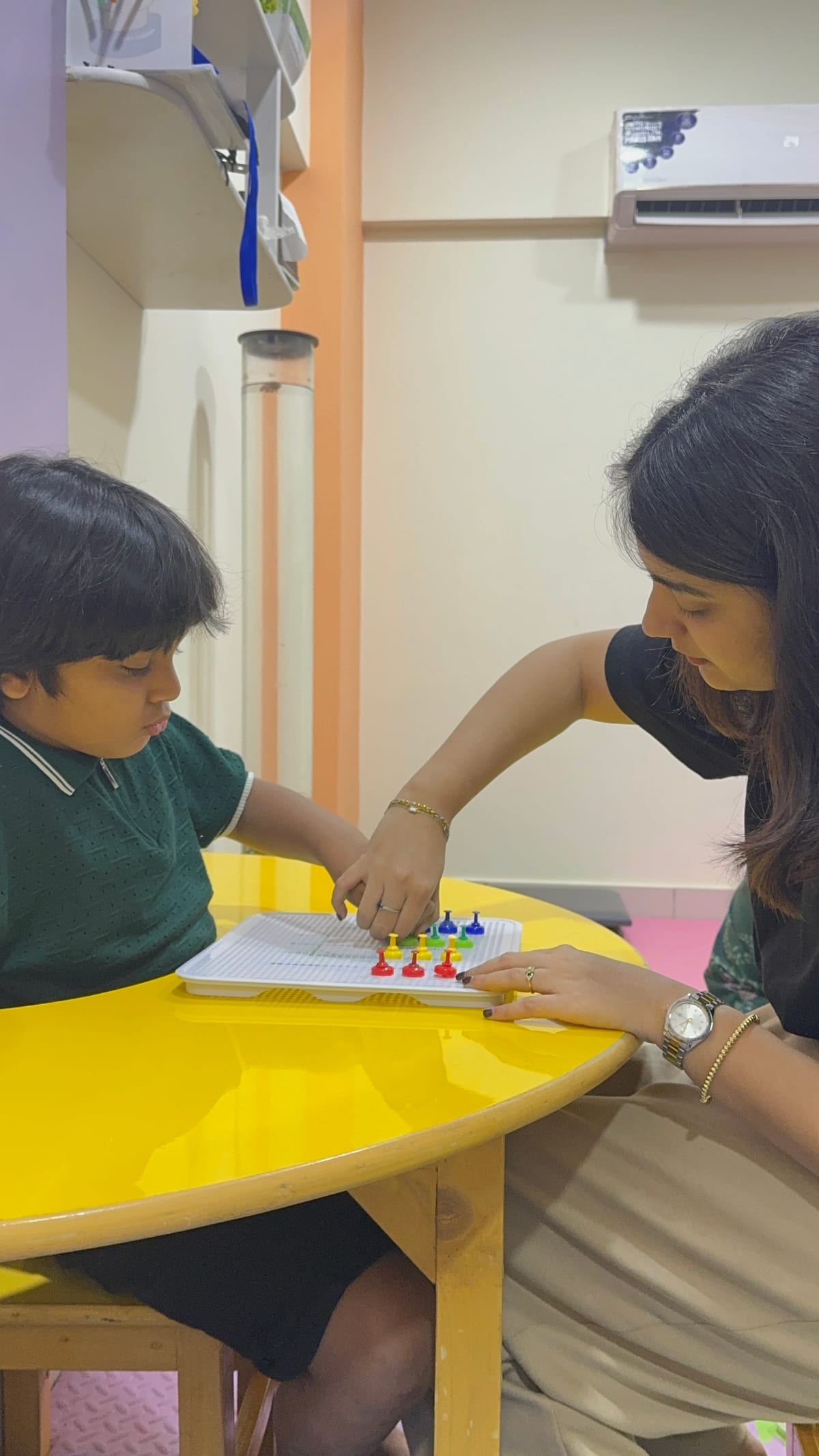
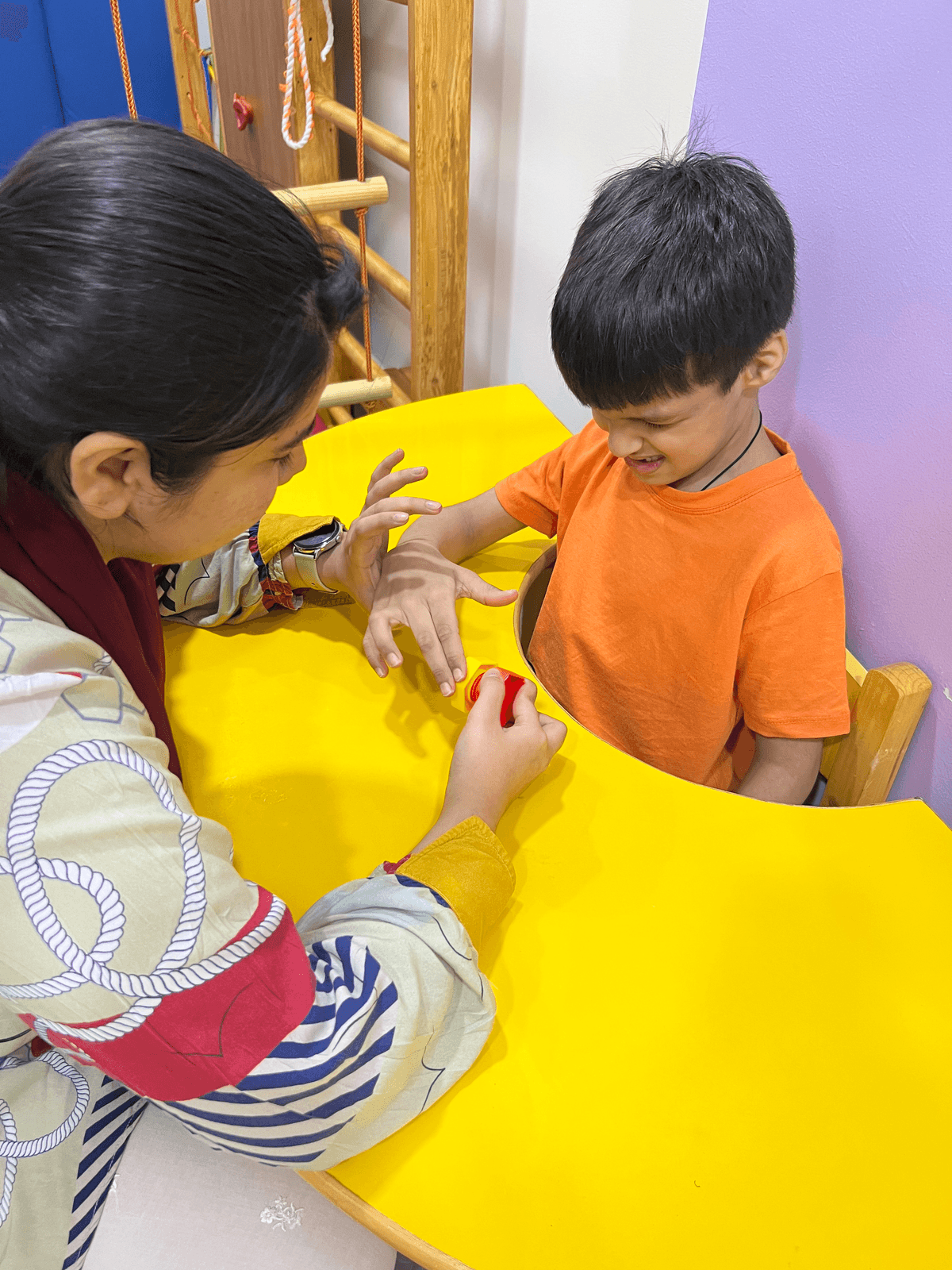
The therapist begins by understanding what happens before, during and after the behaviour. Goals are then selected according to the child's assessed needs. Sessions may use play, visual support, structured practice, positive reinforcement and real-life routines. Behavioural Therapy is distinct from a formal ABA programme and may be recommended when broader behavioural guidance is more suitable.
Parent involvement
Parents receive regular updates, clarity on goals, progress observations and practical strategies that can be used consistently at home. Specific guidance is included to support home activity and routine carryover.