Supporting regulation, movement and everyday independence.
Occupational Therapy supports children in growing the physical, sensory, motor and practical skills needed for daily life, play, learning and self-care. Occupational Therapy is helpful when sensory processing differences, motor difficulties, or coordination challenges affect daily routines, learning or participation.
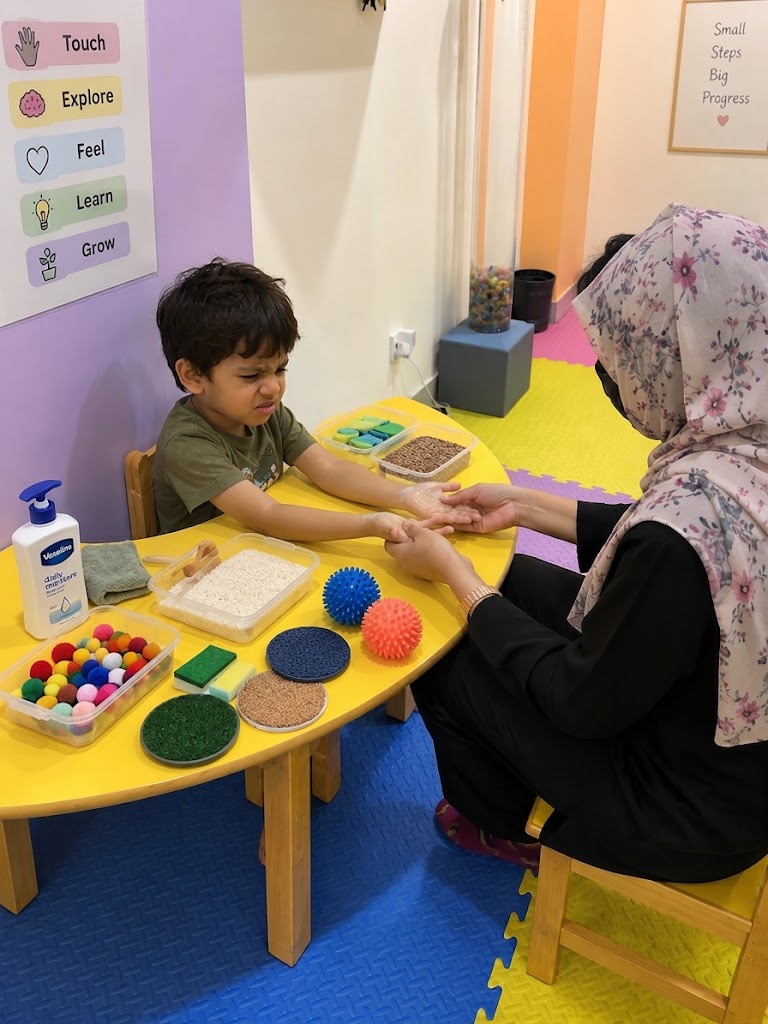
This service may help when a child is
experiencing:
- Sensory sensitivity (over-reaction to sounds, textures, touch or lights)
- Sensory seeking (constant movement, spinning, crashing or seeking intense touch)
- Fine motor challenges (pencil grip, cutting, buttoning, drawing or manipulation)
- Gross motor difficulty (coordination, balance, jumping, catching or posture)
- Self-regulation and focus difficulties
- Self-care independence (dressing, feeding, hygiene or daily tasks)
- Discomfort with change, transitions or daily environment setup
Areas we may work on
- Sensory processing and regulation
- Fine motor skills, pencil grasp and tool use
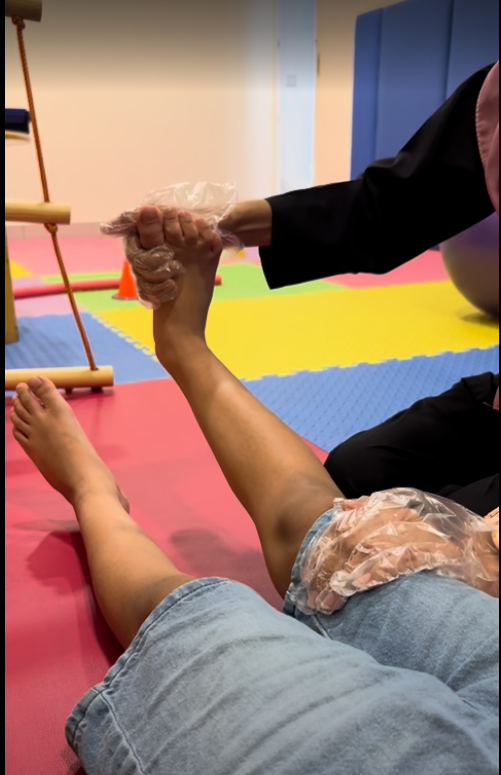
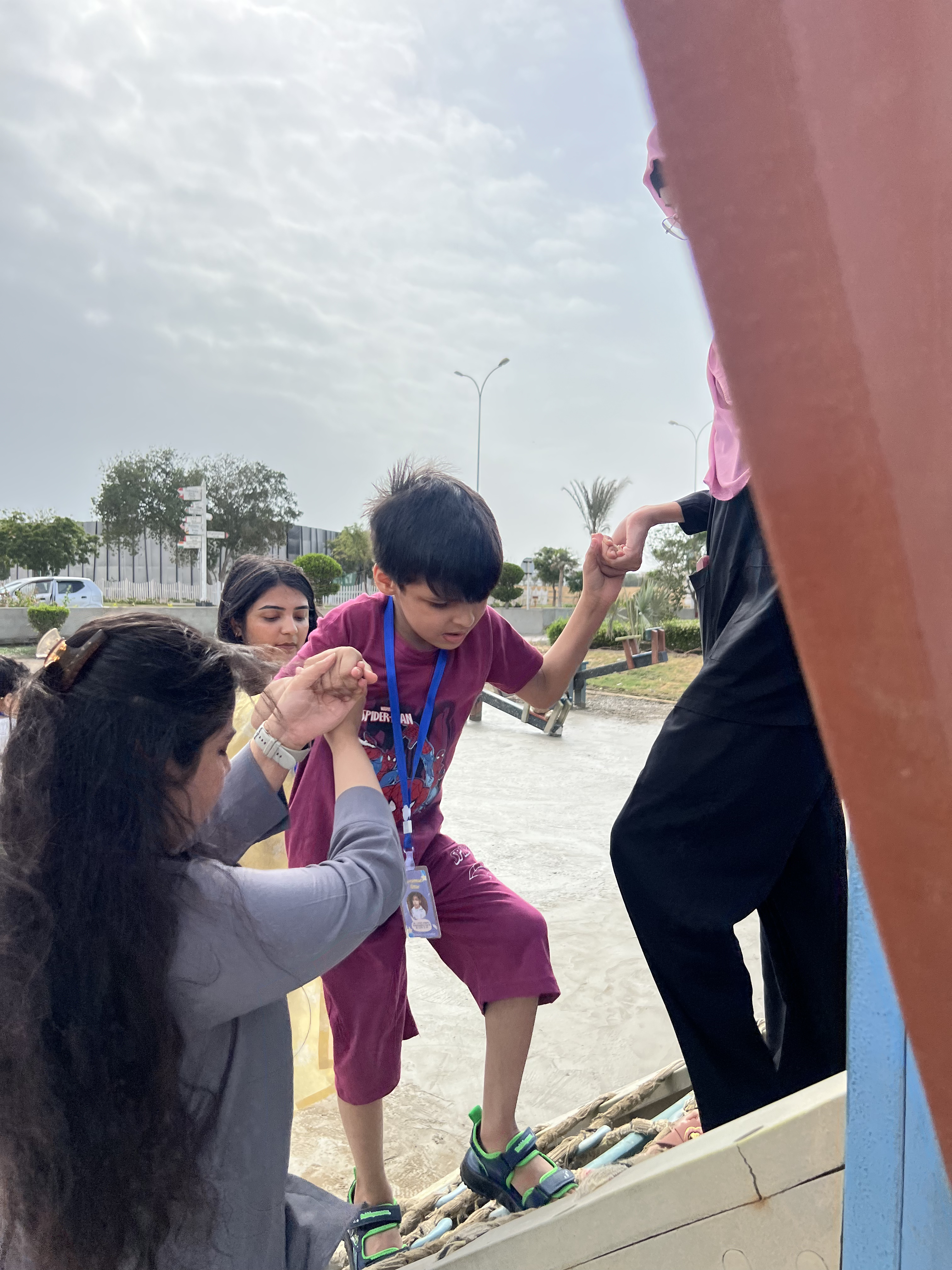
- Gross motor skills, balance and physical confidence
- Visual-motor integration and eye-hand coordination
- Self-care and independent daily routines
- Play skills, exploration and engagement
- Environmental and home routine adjustments
How support is planned
The Occupational Therapist uses observation, sensory profiling and functional assessment to understand what is making participation difficult. Sessions are then planned around practical goals, using movement, play, sensory activities and task-based practice.
Parent involvement
Parents receive guidance on practical strategies and environmental adaptations that can be continued at home. Recommendations may include sensory routines, movement breaks, or task modifications.